EN 15194:2024 Tightens E-Bike Export Compliance
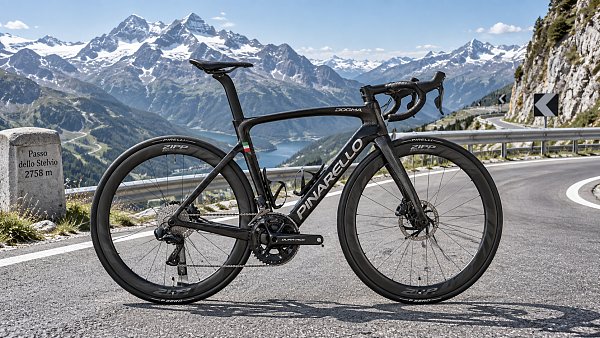
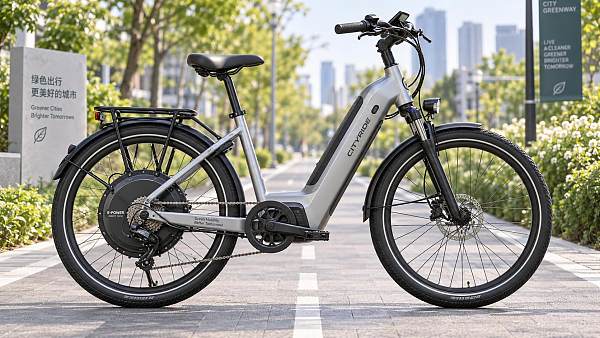
As of August 1, 2026, the revised EN 15194:2024 has become mandatory for e-bike exports covered by this standard, adding new compliance thresholds for smart pedal-assist systems. The change matters not only because it updates technical requirements, but because it can affect certification review, component selection, testing preparation, and delivery planning for exporters and supply-chain participants involved in Urban Commuter Pedelecs, Mid-drive E-Mountain Bikes, Aero Carbon Road Bikes, and other EPAC models with intelligent assist functions.
What the revised standard now requires
The Official Journal of the European Union (OJEU) published a notice on August 2, 2026 stating that the revised EN 15194:2024 took full mandatory effect on August 1, 2026.
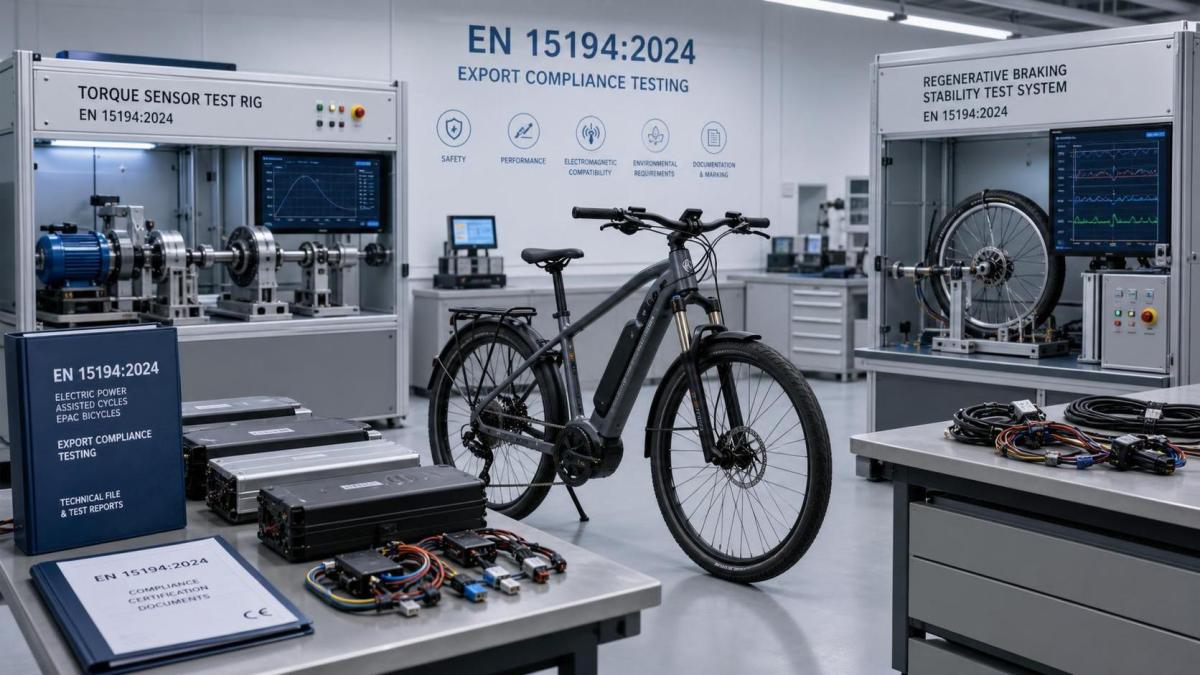
According to the provided event summary, the revision adds two confirmed requirements. First, for mid-drive e-bikes, torque sensor accuracy deviation must not exceed ±3%, compared with the previous ±5% threshold. Second, all EPAC models must pass a regenerative braking energy feedback stability test under a supplementary clause to IEC 62133-2.
The same summary states that the revision directly affects the export compliance pathway for Urban Commuter Pedelecs, Mid-drive E-Mountain Bikes, and Aero Carbon Road Bikes equipped with intelligent electric assist systems.
Where the compliance pressure is likely to appear first
Export programs tied to technical file review
From an industry perspective, exporters are likely to feel the change first in product compliance preparation. Where a model relies on mid-drive architecture or regenerative braking functions, the stricter torque sensor tolerance and the new stability test requirement can influence how technical documents, conformity evidence, and test readiness are organized before shipment or market entry.
Component sourcing and system integration decisions
Analysis shows that procurement and manufacturing teams may need to pay closer attention to sensor specifications, braking system integration, and how these elements are reflected in compliance documentation. The rule change does not automatically describe a sourcing outcome, but it does raise the likelihood that buyers and assemblers will review whether existing components and integrated systems still align with the updated export compliance path.
Testing and certification-related service workflows
Certification-related companies and testing service providers are also positioned at a key point in the chain. Observably, the addition of a regenerative braking energy feedback stability test and the tighter torque sensor accuracy requirement may change the sequence or scope of pre-export verification work, especially for EPAC models that already depend on smart control systems.
Delivery, acceptance, and after-sales preparation
For distributors, procurement-side reviewers, and after-sales teams, the immediate issue is less about market demand and more about document alignment. If model specifications, test records, or compliance statements are updated under the revised standard, those changes may also need to be reflected in delivery files, acceptance criteria, and traceability records linked to exported products.
What companies should check now
Review which models fall directly into the revised scope
What deserves closer attention is model classification within current export portfolios. Companies handling Urban Commuter Pedelecs, Mid-drive E-Mountain Bikes, Aero Carbon Road Bikes, or other EPAC products with intelligent assist features should identify which platforms are most exposed to the revised requirements and which compliance files may need updating first.
Verify supporting test and technical documents
Analysis shows that businesses should examine whether existing test reports, technical descriptions, and compliance records clearly address the revised torque sensor accuracy threshold and the regenerative braking energy feedback stability requirement. The provided information does not specify a detailed execution format, so this should be treated as a documentation review priority rather than as proof of any single mandatory filing route.
Watch for changes in certification wording and buyer requirements
It is more appropriate to understand this as a rule change that can flow into certification language, bid specifications, procurement checklists, and customer acceptance conditions. Even where products are already in circulation, companies should monitor whether counterparties begin requesting updated declarations, revised testing references, or refreshed technical submissions tied to EN 15194:2024.
Factor possible timing effects into shipment planning
Observably, a mandatory standard change can affect scheduling at the points where testing, file review, and export preparation intersect. The current input does not confirm any specific transition arrangement beyond the effective date, so businesses should focus on coordination risk: pending deliveries, newly booked orders, and compliance-dependent handover milestones may require closer internal review.
Why this should be read as an execution signal
Analysis shows that this update is not merely a background standards revision. Because the mandatory effect date is explicitly stated and the new requirements are tied to measurable technical conditions, the development is better understood as an execution-level compliance signal for e-bike export activity. At the same time, the available information remains limited to the notice timing, the effective date, and the two added requirements, so the market still needs to watch how certification interpretation and practical review criteria are applied in actual transactions.
How to frame the development at this stage
At this stage, the most reasonable reading is that EN 15194:2024 has moved from a standards update into a live export compliance condition for affected e-bike categories. The clearest implication is not a broad market conclusion, but a narrower operational one: companies involved in design, sourcing, testing, certification, export documentation, and delivery control should treat the revised requirements as active checkpoints and continue monitoring how they are reflected in implementation practice.
Basis of this article and points that still need verification
This article is based on the user-provided news title, event date, and event summary. For developments of this type, relevant source categories usually include official notices, regulator publications, trade or customs authority information, industry association releases, standards organization documents, and reporting by established professional media. No specific official source link was provided in the input, so the exact official link still needs to be verified on an ongoing basis. Further observation is also needed regarding detailed implementation wording, certification application practice, procurement document changes, market feedback, and how affected companies are handling execution.
Related Intelligence
 Aero Carbon Road BikesSep 17, 2026How to Choose an Italian Carbon Road Bike for Fast Alpine DescentsCarbon road bikes Italy riders trust for Alpine descents: compare stable geometry, disc brakes, tire clearance, wheels, and fit for faster, safer mountain riding.
 Magnetic Resistance Spin BikesSep 16, 2026Belt-Drive Indoor Cycling Bikes: What to Compare Before You BuyIndoor cycling bikes belt drive guide: compare magnetic vs. friction resistance, stability, fit, flywheel response, and maintenance before choosing a quieter, long-lasting bike.
 Urban Commuter PedelecsSep 15, 2026Hub Motor E-Bike Drivetrains: What Riders Need to Know Before Choosing OneE-bike drivetrain systems with a hub motor explained: compare climbing ability, range, maintenance, ride feel, and front vs. rear hubs before you buy.
 Gym CAPEX & E-Bike DTC PremiumSep 14, 2026Marketing for Direct-to-Consumer Sports Brands: Channels That Drive Repeat SalesDirect-to-consumer sports brands marketing strategies that drive repeat sales through lifecycle email, loyalty, community, service, and data-led retention.
 Optical Heart Rate MonitorsSep 13, 2026How to Select Athlete Monitoring Systems for Team Training and Injury Risk ManagementAthlete monitoring technology systems: learn how to select reliable tools for team training, workload tracking, injury-risk management, data integration, and athlete privacy.
 Carbon Stand-up PaddleboardsSep 12, 2026How to Choose Stand-Up Paddle Boards for Rental Fleets: Durability, Size, and CostChoose stand up paddle boards for rental with confidence. Compare durable construction, stable sizing, weight capacity, repairability, and lifecycle costs for a reliable fleet.
 Urban Commuter PedelecsSep 11, 2026Removable E-Bike Battery Systems: What to Check Before Choosing a Commuter BikeE-bike battery systems removable: compare range, removal ease, security, charging, weather protection, and replacement support before choosing your ideal commuter bike.
 Direct Drive Smart TrainersSep 10, 2026How to Choose a Smart Trainer in Germany for Zwift, Power Accuracy, and Warranty SupportSmart trainers Germany guide: compare Zwift connectivity, power accuracy, bike fit, noise, and warranty support to choose the right trainer with confidence.
 Magnetic Resistance Spin BikesSep 09, 2026Magnetic Resistance Spin Bikes: What to Compare Before You BuyMagnetic resistance spin bike buying guide: compare ride smoothness, stability, fit, flywheel design, connectivity, noise, and maintenance before choosing.
 Self-generating TreadmillsSep 08, 2026What to Evaluate in Self-Powered Fitness Equipment Consoles for Commercial GymsFitness equipment consoles self powered: evaluate power reliability, connectivity, durability, and maintenance to select commercial gym systems that improve uptime and member experience.
 Holographic Fitness MirrorsSep 07, 2026How Fitness Businesses Should Evaluate Virtual Training Platforms for GrowthVirtual training platforms can drive fitness business growth when they fit equipment, member journeys, data needs, and commercial goals. Explore a smarter evaluation framework.
 Magnetic Resistance Spin BikesSep 07, 2026How to Choose Smart Indoor Bikes With Touchscreens for Home TrainingSmart indoor bikes with touchscreen displays: compare fit, resistance, subscriptions, metrics, and home setup to choose a bike that keeps you training consistently.
 Aero Carbon Road BikesSep 05, 2026How to Choose a Gravel Bike for Mixed Terrain, Bikepacking, and Daily RidingGravel bikes for mixed terrain, bikepacking, and daily riding: compare tires, geometry, gearing, mounts, and brakes to find your ideal all-round bike.