EU Blocks E-Bike Clearance Without EN 15194:2026+A1
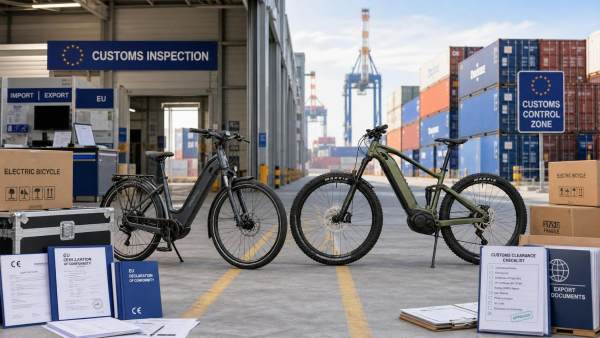
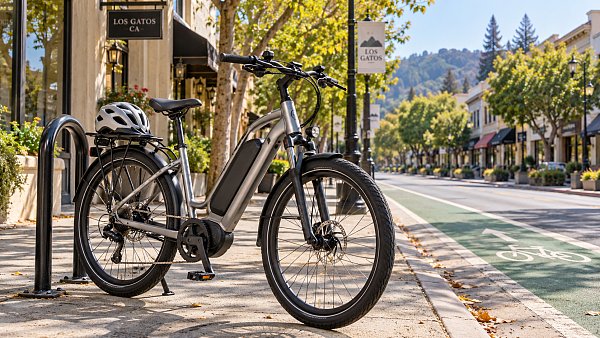
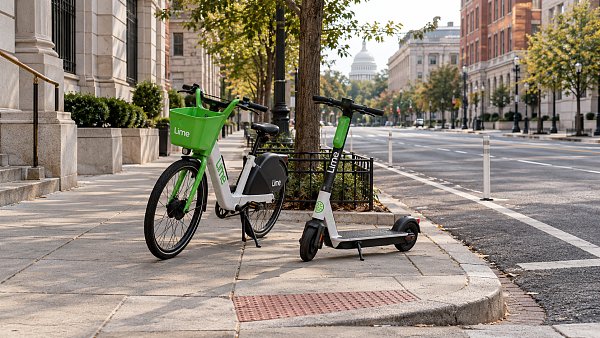
From July 1, 2026, imported e-bikes entering the EU face a stricter compliance threshold: EPAC products, including Urban Commuter Pedelecs and Mid-drive E-Mountain Bikes, must carry a certificate of conformity issued by an EU notified body under EN 15194:2026+A1:2026. For exporters, importers, certification-related service providers, and supply chain teams handling deliveries to Europe, this is not just a standards update. It directly affects customs clearance, shipment timing, document readiness, and the cost of keeping orders on schedule.
A compliance requirement with immediate border effect
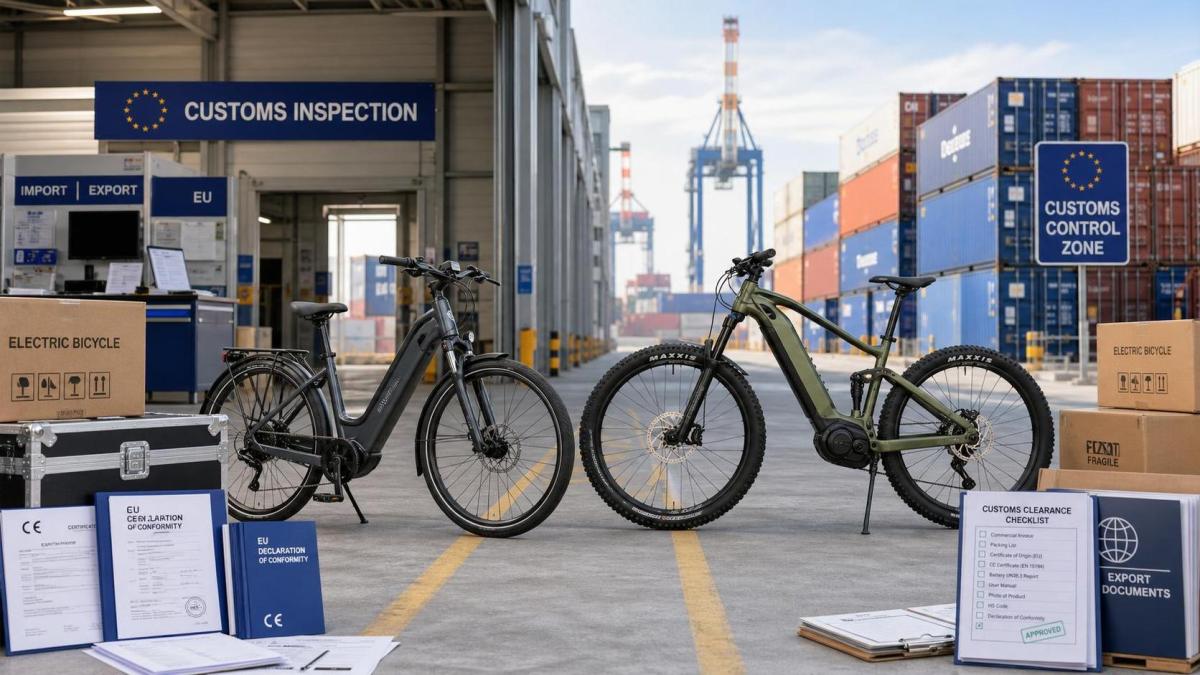
According to the event information provided, the Official Journal of the European Union published a notice on June 29, 2026, confirming that EN 15194:2026+A1:2026 became mandatory on July 1, 2026. From that date, all imported electric bicycles falling within the relevant EPAC scope must provide a certificate of conformity issued by an EU notified body. The information provided also states that shipments without that certificate may be refused at the border or returned. The requirement applies to imported e-bikes, with examples including Urban Commuter Pedelecs and Mid-drive E-Mountain Bikes.
Where the pressure is likely to appear first
Export deliveries now depend more directly on certification readiness
From an industry perspective, exporters shipping e-bikes to the EU are likely to feel the most immediate impact because customs clearance is now tied to a specific conformity document. The main business risk is not only whether a product can be sold, but whether it can physically enter the market on schedule. What deserves closer attention is the alignment between shipment release timing, certificate availability, and the product scope covered by that certificate.
Import and distribution teams face a document control issue, not only a product issue
EU-side buyers, importers, and distribution channels may also be affected because the rule change shifts part of the operational burden to pre-clearance document review. Analysis shows that procurement and inbound logistics teams need to pay closer attention to whether the certificate has been issued by an EU notified body and whether the product category being shipped falls within the covered EPAC scope. In practice, the issue is as much about paperwork sequencing as it is about product compliance.
Certification and testing-related services may see tighter timing expectations
Certification-related companies and testing service providers are also connected to this change because exporters will likely need earlier and more disciplined preparation of technical and conformity materials. Observably, the operational pressure may move upstream: delays in documentation, testing support, or file review can translate into delivery disruption once customs submission is required. The provided information does not specify implementation detail beyond the certificate requirement, so this should be understood as a practical risk point rather than a confirmed market outcome.
Supply chain planning becomes more exposed to compliance bottlenecks
Manufacturing, order management, and cross-border logistics teams may need to treat certification status as a release condition for EU-bound shipments. Analysis shows that this can affect loading schedules, shipment batching, and customer delivery commitments. For companies handling mixed product lines, the distinction between products already supported by compliant documentation and those still pending review may become more important in day-to-day dispatch decisions.
What companies should watch now
Check whether current EU-bound models are covered
Companies shipping to Europe should first review whether the affected e-bike models fall within the EPAC categories described in the event information and whether they already have the required certificate of conformity from an EU notified body. This is the most immediate compliance checkpoint because the stated border consequence is refusal or return of goods without that document.
Review shipment files before goods move
What deserves closer attention is the completeness of the documentation package supporting each EU-bound shipment. The event information confirms the centrality of the conformity certificate, and businesses should therefore pay attention to whether internal shipping, customs, sales, and compliance teams are working from the same document set before dispatch. The provided information does not describe a wider filing framework, so companies should avoid assuming that partial paperwork will be accepted.
Reassess delivery schedules and procurement commitments
Analysis shows that businesses with active delivery calendars into the EU may need to revisit shipment timing, order release dates, and supplier coordination. Because the rule took effect on July 1, 2026, the immediate concern is not abstract future compliance but whether current and near-term deliveries can meet the stated entry requirement. This is particularly relevant where purchase orders or customer commitments were planned before the new implementation date.
Track how the requirement is applied in practice
Observably, the rule should not be treated as fully understood simply because the mandatory date is clear. Companies should continue watching for official wording, implementation practice, and any changes in customer-side documentation requests. The input does not provide further detail on enforcement interpretation, so follow-up monitoring remains necessary.
How this signal should be read
Analysis shows that this development is better understood as an implemented market-entry requirement rather than a distant policy discussion. The mandatory date and the stated border consequence make it a live operational issue. At the same time, it is also more appropriate to understand this as an execution signal that still requires observation, because the provided information does not include fuller details on enforcement practice, documentary review expectations beyond the certificate, or how market participants will adapt in procurement and delivery workflows.
A rule change that now sits inside trade operations
In practical terms, this update matters because it moves EN 15194:2026+A1:2026 from a standards reference into a customs-facing requirement for imported e-bikes. The immediate significance lies in trade execution: certification status can now affect whether goods clear the border at all. A balanced reading is that the change has already landed, but its day-to-day operational effect will become clearer through follow-on implementation, document checks, and market feedback.
Basis of this article and what still needs verification
This article is based on the user-provided news title, event date, and event summary. For developments of this kind, relevant source categories typically include official notices, regulator publications, customs or trade authority updates, industry association communications, standards documents, and reporting by established media. A specific official source link was not provided in the input, so the exact link should still be verified on an ongoing basis. Further observation is also needed on detailed implementation wording, certification practice, document expectations, tender or procurement document changes, market feedback, and how affected companies are executing compliance in actual shipments.
Related Intelligence
 Gym CAPEX & E-Bike DTC PremiumOct 27, 2026Commercial Ellipticals for Hotels: Space, Noise, and Durability ChecklistChoose commercial ellipticals for hotels with confidence. Explore our space, noise, and durability checklist to avoid costly mistakes and create a quiet, guest-friendly fitness room.
 Urban Commuter PedelecsOct 27, 2026Maryland Ranks Second in E-Bike and E-Scooter Deaths, Study SaysMaryland ranks second in e-bike and e-scooter deaths, a study says. Explore what the ranking means for rider safety, protective gear and the micromobility industry.
 Gym CAPEX & E-Bike DTC PremiumOct 26, 2026Fitness Equipment Market Intelligence: Demand Trends Guiding Gym CAPEXExplore the fitness equipment intelligence market to spot demand trends, prioritize gym CAPEX, and make smarter investments in capacity, reliability, and lifecycle value.
 Optical Heart Rate MonitorsOct 25, 2026Sports Performance Wearables Manufacturers: Heart Rate Accuracy and MOQ ChecksChoose a sports performance wearables manufacturer with confidence. Explore heart rate accuracy tests, MOQ checks, and pilot terms to reduce sourcing risk before you commit.
 Urban Commuter PedelecsOct 25, 2026California Passes Four Laws Targeting Unsafe E-Bike Use in Silicon ValleyCalifornia e-bike laws target unsafe riding in Silicon Valley with sales limits, age rules and helmet requirements. Learn what the four measures could mean for riders and sellers.
 Compression Recovery GearOct 24, 2026Digital Authority Building: How Businesses Turn Expertise Into Online TrustDiscover how digital authority building turns expertise into buyer trust. Learn to publish credible evidence, answer key questions, and guide prospects toward confident purchasing decisions.
 Urban Commuter PedelecsOct 24, 2026Washington DDOT to Fine Operators Over Improperly Parked E-Bikes and ScootersWashington DDOT will fine e-bike and scooter operators for delayed removal of improperly parked devices. Explore the parking rules and changes to low-income rider credits.
 Gym CAPEX & E-Bike DTC PremiumOct 23, 2026Self-Generating Fitness Equipment: Do Energy Savings Justify the Cost?Explore energy efficient fitness equipment with self-generating power. Compare real savings, purchase costs, and installation benefits to see what pays off for your gym.
 Direct Drive Smart TrainersOct 23, 2026Interactive Strength Q3 Update: Third Space Deploys Wattbike EquipmentInteractive Strength’s Q3 update highlights Wattbike equipment at Third Space’s London studio. Explore the deployment, Ergatta rowing classes and key insights for fitness equipment buyers.
 Magnetic Resistance Spin BikesOct 22, 2026Choosing Smart Indoor Bikes for Spin Classes: Connectivity and Durability ChecksChoosing smart indoor bikes for spin classes? Discover essential connectivity, durability, and service checks to reduce downtime and invest confidently in your studio.
 MIPS Carbon Cycling HelmetsOct 22, 2026Belgian Aerobag Cycling Airbag Named to TIME’s 2026 Best Inventions ListAerobag cycling airbag reportedly joins TIME’s 2026 Best Inventions list. Explore WorldTour testing, Nalini’s planned bib shorts and key safety questions for buyers.
 Optical Heart Rate MonitorsOct 21, 2026Wearable Fitness Technology Compliance: US and EU Rules for Heart Rate MonitorsExplore wearable fitness technology compliance for heart rate monitors. Navigate US FDA, FCC, EU MDR, radio, and privacy rules to support a confident market launch.
 Direct Drive Smart TrainersOct 21, 2026Garmin Launches Tacx Nēra Smart Indoor Trainer With Multi-Directional MovementDiscover the Garmin Tacx Nēra smart indoor trainer, featuring multi-directional movement and precise resistance for immersive indoor cycling. Explore what sets it apart.