EU EN 15194:2026 Rule Mandates Third-Party Torque Sensor Verification
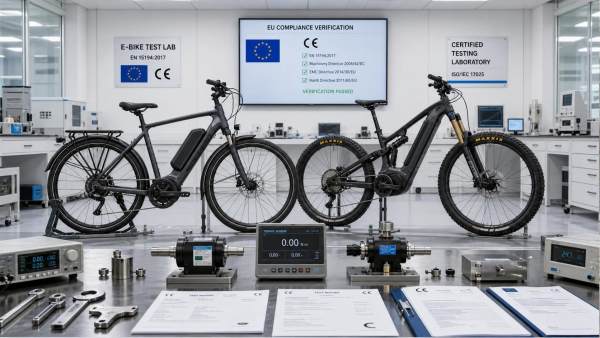
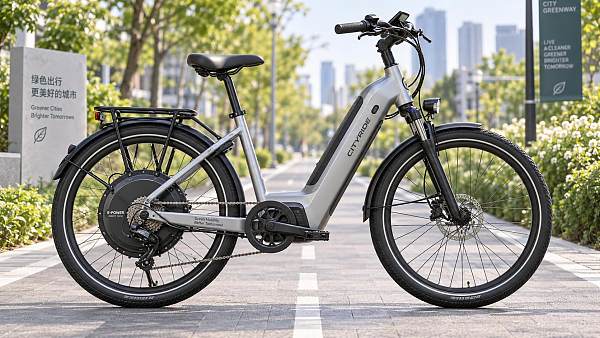
On August 5, 2026, the EU put into effect a revised mandatory provision under EN 15194:2026 that changes the compliance path for EPACs entering the European market. The core change is clear: e-bikes must now carry a torque sensor function verification report certified by a notified body. For exporters, manufacturers, component suppliers, and compliance teams, this matters because it adds a new gate before CE marking, with direct relevance for Urban Commuter Pedelecs and Mid-drive E-Mountain Bikes.
What the new requirement formally adds
According to the provided information, the revised EN 15194:2026 mandatory provision has been implemented by the EU from August 5, 2026. It requires all EPACs placed on the EU market to provide a torque sensor function verification report certified by a notified body.
The verification scope stated in the input covers static and dynamic torque response accuracy, temperature drift compensation, and anti-interference testing.
The same information states that the requirement directly affects the export compliance route for Urban Commuter Pedelecs and Mid-drive E-Mountain Bikes. It also states that Chinese manufacturers must complete the additional type testing before products leave the factory; otherwise, the products cannot bear the CE mark.
Where the compliance impact is likely to be felt first
Export-facing bike manufacturers
From an industry perspective, manufacturers shipping EPACs to the EU are likely to feel the most immediate effect because the rule is tied directly to market access and CE marking. The practical pressure point is the pre-shipment stage, where the newly required type test and the notified body-certified verification report now become part of the compliance file.
What deserves closer attention is whether current model documentation and test readiness already cover the torque sensor items named in the rule, especially for Urban Commuter Pedelecs and Mid-drive E-Mountain Bikes.
Torque sensor and drive-system suppliers
Analysis shows that component and system suppliers may also be affected because the required verification is focused on torque sensor function rather than only on finished-bike labeling. The business impact is likely to appear in technical documentation, validation support, and coordination with bike OEMs on test evidence related to response accuracy, temperature drift compensation, and anti-interference performance.
Suppliers should pay attention to whether their existing validation materials can support customers' notified body review and added type testing needs.
Compliance, certification, and delivery teams
For regulatory affairs, certification managers, and export operations teams, the change is likely to reshape timelines rather than only paperwork. Because the input specifies that the extra type test must be completed before factory release, the effect may extend into shipment scheduling, document preparation, and customer communication around CE marking readiness.
The key issue to monitor is whether internal approval and release processes still align with delivery commitments once the new verification step is inserted.
What companies should focus on now
Check whether target models fall into the immediate exposure zone
The provided information explicitly points to Urban Commuter Pedelecs and Mid-drive E-Mountain Bikes. Companies with these categories in their EU-facing portfolio should first identify which active or near-launch models depend on torque sensor configurations that now require notified body-certified verification support.
Review the completeness of technical files before shipment
The practical issue is not only whether a product can pass testing, but whether the compliance package is complete at the right point in the export process. Businesses should pay close attention to the presence of the required verification report and to whether the underlying materials cover the specified test areas named in the rule.
Separate policy wording from factory execution
Observably, the rule is already in force according to the event summary, but implementation risk often appears at the handoff between regulatory interpretation and factory release. Companies should therefore focus on how the new type testing requirement is built into production release, export documentation, and CE marking control, rather than treating it as a remote regulatory update.
Prepare for customer and supplier coordination
Where EU orders are already in progress, attention should turn to communication with customers, suppliers, and service partners about documentation timing and test completion. The relevant concern is whether contract delivery, shipment booking, or acceptance milestones assume a compliance path that no longer matches the rule now in force.
How this should be read at this stage
Analysis shows that this is better understood as an active compliance change rather than a distant policy signal. The rule is described as already effective from August 5, 2026, and the consequence named in the input is operationally concrete: without the added type test, CE marking is not available.
At the same time, it is more appropriate to understand this as a targeted regulatory tightening than as a full picture of broader EU e-bike policy. The confirmed facts are limited to torque sensor verification under EN 15194:2026 and its direct compliance effect on EPAC market entry. That means the industry still needs to watch how implementation is handled in practice across model categories, testing workflows, and certification coordination.
Why the market is treating it as more than a paperwork update
The significance of this development lies in where the new requirement sits: not at the margins of labeling or post-market interpretation, but inside the route to CE marking for affected EPAC products. For companies tied to EU-bound e-bike exports, the issue is not abstract. It changes the evidence expected before products can move forward.
Based on the information provided, the most balanced conclusion is that this should currently be read as an immediate compliance requirement with broader supply-chain implications still unfolding. It is not simply a short-term notice, and it is not yet a basis for wider claims beyond the stated scope.
Basis of this article and points still requiring verification
This article is based on the user-provided news title, event date, and event summary. For this type of update, commonly relevant source categories may include official announcements, company disclosures, industry association information, authoritative media coverage, and standard organization documents.
A specific official source link was not provided in the input, so the exact official publication path still needs continued verification. Follow-up attention should remain on any further formal wording, implementation guidance, and documentation expectations connected to the EN 15194:2026 requirement described above.
Related Intelligence
 Optical Heart Rate MonitorsSep 19, 2026Gym HRV Data Privacy: Consent, Access Controls, and Retention RisksWhat HRV data privacy risks should gyms consider? Explore consent, staff access controls, vendor oversight, and retention risks to protect member trust.
 Gym CAPEX & E-Bike DTC PremiumSep 18, 2026How to Evaluate a Commercial Cardio Equipment Manufacturer for Gym Uptime and Lifecycle CostCommercial cardio equipment manufacturer evaluation guide: compare uptime, service support, spare parts, and lifecycle costs to make a smarter gym investment.
 Optical Heart Rate MonitorsSep 18, 2026What HRV Data Privacy Risks Should Gyms Address?What HRV data privacy risks should gyms consider? Explore consent, vendor controls, staff access, secure retention, and actionable steps to protect member biometric data.
 Optical Heart Rate MonitorsSep 18, 2026Is HRV Monitoring Useful for Personalized Gym Training?Is HRV monitoring useful for personalized gym training? Discover how gyms can use HRV trends, wearable data, and coaching insight to improve recovery, training decisions, and member experience.
 Aero Carbon Road BikesSep 17, 2026How to Choose an Italian Carbon Road Bike for Fast Alpine DescentsCarbon road bikes Italy riders trust for Alpine descents: compare stable geometry, disc brakes, tire clearance, wheels, and fit for faster, safer mountain riding.
 Magnetic Resistance Spin BikesSep 16, 2026Belt-Drive Indoor Cycling Bikes: What to Compare Before You BuyIndoor cycling bikes belt drive guide: compare magnetic vs. friction resistance, stability, fit, flywheel response, and maintenance before choosing a quieter, long-lasting bike.
 Urban Commuter PedelecsSep 15, 2026Hub Motor E-Bike Drivetrains: What Riders Need to Know Before Choosing OneE-bike drivetrain systems with a hub motor explained: compare climbing ability, range, maintenance, ride feel, and front vs. rear hubs before you buy.
 Gym CAPEX & E-Bike DTC PremiumSep 14, 2026Marketing for Direct-to-Consumer Sports Brands: Channels That Drive Repeat SalesDirect-to-consumer sports brands marketing strategies that drive repeat sales through lifecycle email, loyalty, community, service, and data-led retention.
 Optical Heart Rate MonitorsSep 13, 2026How to Select Athlete Monitoring Systems for Team Training and Injury Risk ManagementAthlete monitoring technology systems: learn how to select reliable tools for team training, workload tracking, injury-risk management, data integration, and athlete privacy.
 Carbon Stand-up PaddleboardsSep 12, 2026How to Choose Stand-Up Paddle Boards for Rental Fleets: Durability, Size, and CostChoose stand up paddle boards for rental with confidence. Compare durable construction, stable sizing, weight capacity, repairability, and lifecycle costs for a reliable fleet.
 Urban Commuter PedelecsSep 11, 2026Removable E-Bike Battery Systems: What to Check Before Choosing a Commuter BikeE-bike battery systems removable: compare range, removal ease, security, charging, weather protection, and replacement support before choosing your ideal commuter bike.
 Direct Drive Smart TrainersSep 10, 2026How to Choose a Smart Trainer in Germany for Zwift, Power Accuracy, and Warranty SupportSmart trainers Germany guide: compare Zwift connectivity, power accuracy, bike fit, noise, and warranty support to choose the right trainer with confidence.
 Magnetic Resistance Spin BikesSep 09, 2026Magnetic Resistance Spin Bikes: What to Compare Before You BuyMagnetic resistance spin bike buying guide: compare ride smoothness, stability, fit, flywheel design, connectivity, noise, and maintenance before choosing.