EU EN 15194+A2 Takes Effect for Mid-Drive E-Bikes
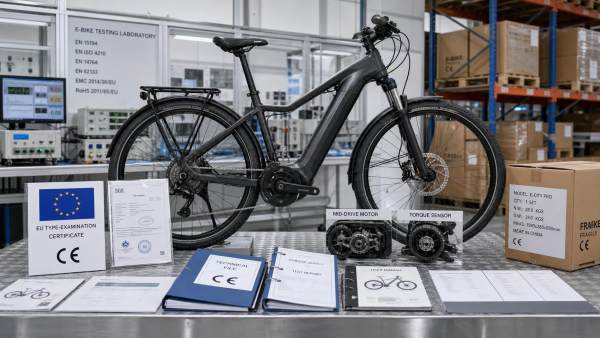
On August 1, 2026, the EN 15194:2026+A2 amendment entered into mandatory effect after publication in the Official Journal of the European Union on July 31. The change matters directly to Chinese exporters of mid-drive EPACs, especially suppliers of urban commuter pedelecs and mid-drive e-mountain bikes, because torque sensor compliance is now tied more closely to CE technical files, type testing, and customs clearance documentation.
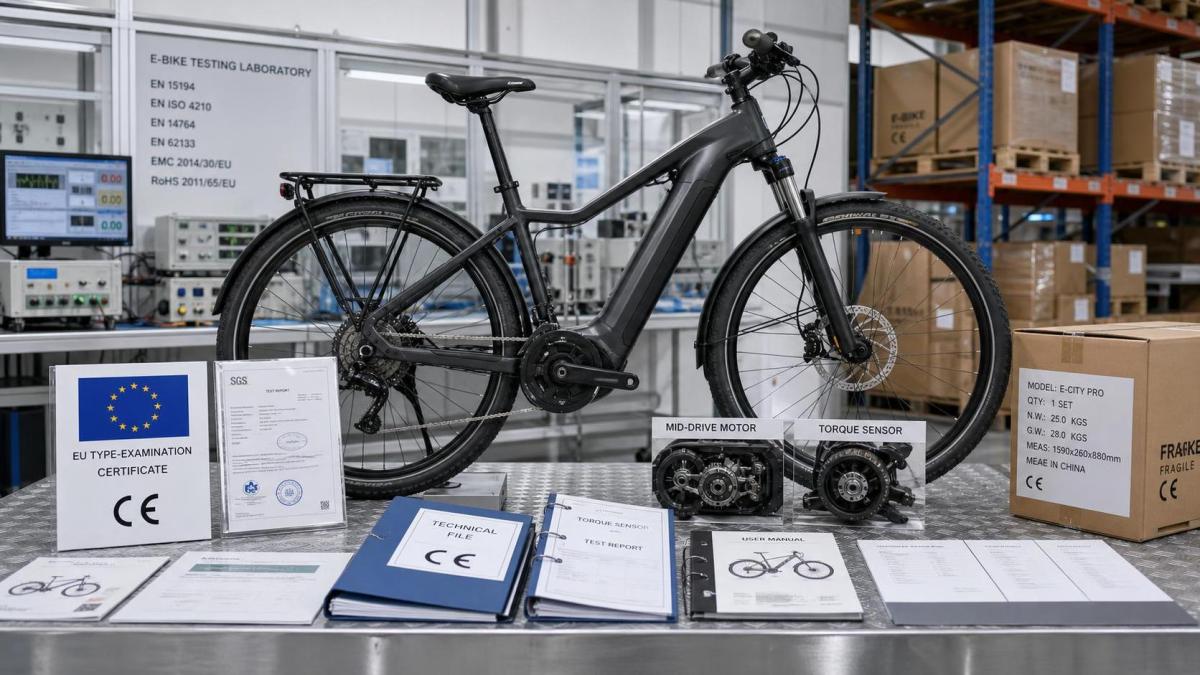
What the amendment now requires
The confirmed change is specific to mid-drive motor EPACs. Under EN 15194:2026+A2, these products must be equipped with a torque sensor that has undergone type certification. In addition, exporters must provide a third-party test report that complies with ISO/IEC 17065. The amendment was published in the EU Official Journal on July 31, 2026, and became mandatory from August 1, 2026.
The information provided also makes clear where the immediate impact will be felt: CE technical documentation, type inspection, and customs clearance processes for affected e-bike exports to the EU.
Where pressure is likely to appear first
Export-facing bike assemblers and brand suppliers
From an industry perspective, companies shipping completed mid-drive e-bikes to the EU are likely to feel the most immediate impact because they sit closest to the CE documentation and shipment release process. The main pressure point is not only product configuration, but whether the technical file and supporting test materials are aligned with the new torque sensor requirement.
Mid-drive system and component suppliers
Analysis shows that suppliers of mid-drive systems and related components may be affected through product specification matching and document support. Where a torque sensor is part of the compliance path, the issue is no longer limited to component performance in a commercial sense; it also extends to whether the relevant certification and third-party reporting can support the exporter's type inspection and documentation needs.
Testing, certification, and customs-related service providers
Observably, service providers involved in testing, certification coordination, and cross-border clearance may see changes in document review priorities. The amendment directly connects product eligibility with type-certified torque sensors and ISO/IEC 17065-compliant third-party reports, so documentation completeness may become a practical checkpoint before goods move through final export and import procedures.
What companies should check now
Review affected product lines first
What deserves closer attention is whether current EU-bound models fall within the scope identified in the provided information, namely mid-drive EPACs such as urban commuter pedelecs and mid-drive e-mountain bikes. Companies should distinguish these products clearly from other configurations when reviewing compliance readiness.
Recheck CE file consistency
Analysis shows that this is not only a parts issue. Exporters should check whether CE technical documentation already reflects the required torque sensor arrangement, the relevant type certification status, and the supporting third-party test report. Any mismatch between hardware, certification status, and file content could affect later inspection or clearance steps.
Confirm document readiness with suppliers and testing partners
For procurement and supply-chain teams, the practical focus is on whether upstream suppliers can provide the documentation needed for downstream export use. The stated requirement for an ISO/IEC 17065-compliant third-party report means companies should verify document format, validity, and handoff timing with suppliers and testing partners rather than assuming existing files remain sufficient.
Separate rule text from operational execution
Observably, one of the main business risks in cases like this lies in the gap between a rule taking effect and each transaction party implementing it consistently. Exporters, customs teams, and customer-facing staff should pay attention to how the new requirement is reflected in actual type inspection and clearance workflows, not only in the standard text itself.
Why this reads as more than a routine update
Analysis shows that the amendment should be understood as an operational compliance change rather than a symbolic standards adjustment. The reason is straightforward: the provided information links the new requirement directly to technical files, inspection, and customs processes. That gives the update immediate procedural weight for companies already shipping affected products.
At the same time, it is more appropriate to understand this as both a current compliance change and a longer-term signal that documentation around key control components is receiving closer scrutiny. That is an industry reading, not a confirmed policy trend beyond the information provided here, so further verification remains necessary.
How to read the development at this stage
The most grounded conclusion is that EN 15194:2026+A2 has already moved beyond a watchlist item and into day-to-day export execution for affected mid-drive EPAC categories. For the industry, the significance lies less in headline impact and more in the fact that component selection, third-party verification, and export paperwork are now more tightly connected.
Current conditions make this better understood as an active compliance requirement with near-term operational consequences, while its wider long-term effects on supplier selection and certification workflows still need continued observation.
Basis of this article and points for follow-up
This article is based on the user-provided news title, event date, and event summary. For developments of this kind, relevant source types typically include official notices, company statements, industry association updates, authoritative media coverage, and standards organization documents.
No specific official source link was provided in the input, so the exact official reference path still needs ongoing verification. Follow-up attention should remain on any further official wording, implementation detail in inspection or clearance practice, and whether affected exporters receive additional clarification on documentation expectations.
Related Intelligence
 Urban Commuter PedelecsSep 15, 2026Hub Motor E-Bike Drivetrains: What Riders Need to Know Before Choosing OneE-bike drivetrain systems with a hub motor explained: compare climbing ability, range, maintenance, ride feel, and front vs. rear hubs before you buy.
 Gym CAPEX & E-Bike DTC PremiumSep 14, 2026Marketing for Direct-to-Consumer Sports Brands: Channels That Drive Repeat SalesDirect-to-consumer sports brands marketing strategies that drive repeat sales through lifecycle email, loyalty, community, service, and data-led retention.
 Optical Heart Rate MonitorsSep 13, 2026How to Select Athlete Monitoring Systems for Team Training and Injury Risk ManagementAthlete monitoring technology systems: learn how to select reliable tools for team training, workload tracking, injury-risk management, data integration, and athlete privacy.
 Carbon Stand-up PaddleboardsSep 12, 2026How to Choose Stand-Up Paddle Boards for Rental Fleets: Durability, Size, and CostChoose stand up paddle boards for rental with confidence. Compare durable construction, stable sizing, weight capacity, repairability, and lifecycle costs for a reliable fleet.
 Urban Commuter PedelecsSep 11, 2026Removable E-Bike Battery Systems: What to Check Before Choosing a Commuter BikeE-bike battery systems removable: compare range, removal ease, security, charging, weather protection, and replacement support before choosing your ideal commuter bike.
 Direct Drive Smart TrainersSep 10, 2026How to Choose a Smart Trainer in Germany for Zwift, Power Accuracy, and Warranty SupportSmart trainers Germany guide: compare Zwift connectivity, power accuracy, bike fit, noise, and warranty support to choose the right trainer with confidence.
 Magnetic Resistance Spin BikesSep 09, 2026Magnetic Resistance Spin Bikes: What to Compare Before You BuyMagnetic resistance spin bike buying guide: compare ride smoothness, stability, fit, flywheel design, connectivity, noise, and maintenance before choosing.
 Self-generating TreadmillsSep 08, 2026What to Evaluate in Self-Powered Fitness Equipment Consoles for Commercial GymsFitness equipment consoles self powered: evaluate power reliability, connectivity, durability, and maintenance to select commercial gym systems that improve uptime and member experience.
 Holographic Fitness MirrorsSep 07, 2026How Fitness Businesses Should Evaluate Virtual Training Platforms for GrowthVirtual training platforms can drive fitness business growth when they fit equipment, member journeys, data needs, and commercial goals. Explore a smarter evaluation framework.
 Magnetic Resistance Spin BikesSep 07, 2026How to Choose Smart Indoor Bikes With Touchscreens for Home TrainingSmart indoor bikes with touchscreen displays: compare fit, resistance, subscriptions, metrics, and home setup to choose a bike that keeps you training consistently.
 Aero Carbon Road BikesSep 05, 2026How to Choose a Gravel Bike for Mixed Terrain, Bikepacking, and Daily RidingGravel bikes for mixed terrain, bikepacking, and daily riding: compare tires, geometry, gearing, mounts, and brakes to find your ideal all-round bike.
 Aero Carbon Road BikesSep 04, 2026How to Evaluate Carbon Bike Frames Made in Italy Before Paying a PremiumDiscover how to evaluate carbon bike frames Italy before paying a premium. Compare materials, manufacturing quality, geometry, testing, compatibility, warranty, and total ownership value.
 Direct Drive Smart TrainersSep 03, 2026How to Choose a Smart Trainer for Consistent Winter Indoor Cycling WorkoutsSmart trainers for winter training: compare wheel-on, direct-drive, and smart bike options to find a quiet, compatible setup for consistent indoor workouts.