China-Uzbekistan AEO mutual recognition will take effect on August 1, and customs clearance for exports of fitness equipment and electric bicycles will be accelerated

Starting from August 1, 2026, China and Uzbekistan have officially implemented mutual recognition of "authorized economic operators" (AEO) at the customs. This rule change is directly related to the customs clearance arrangements for fitness equipment, electric bicycles and related high-compliance export products. For export companies, supply chain service providers and purchasers, what deserves attention is not just customs clearance efficiency itself, but the actual role of AEO status in the delivery rhythm, inspection arrangements and supply chain response in the Central Asian market.

The mutual recognition mechanism was officially launched on August 1.
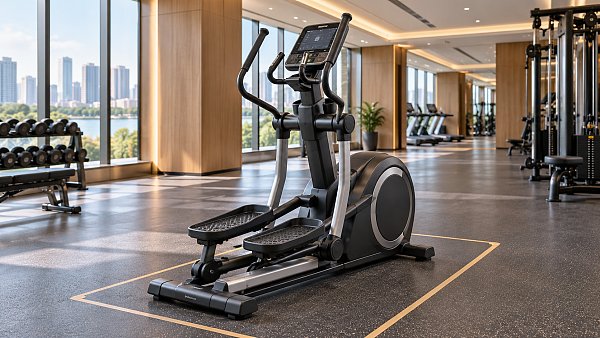
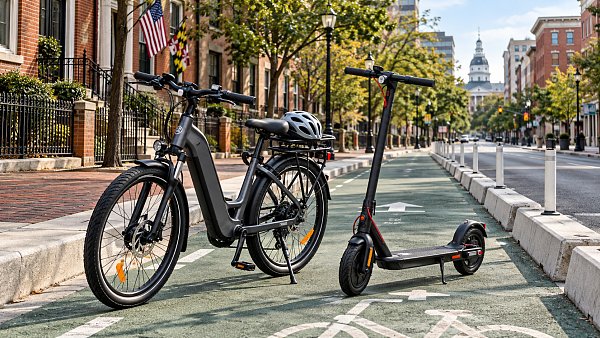
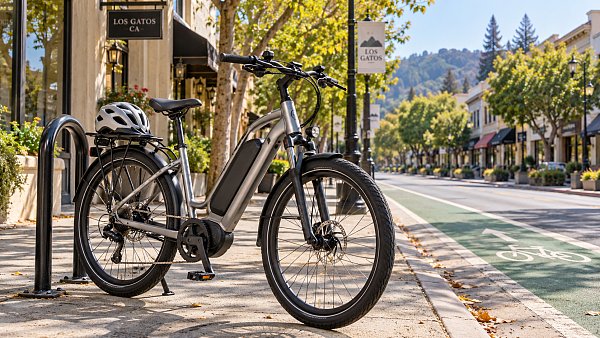
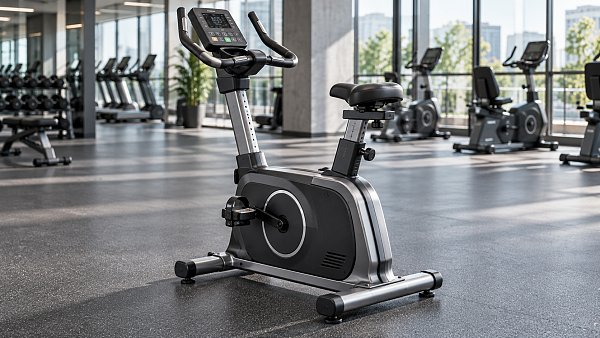
According to known information, China and Uzbekistan will implement AEO mutual recognition starting from August 1, 2026. The scope of application includes ISO 20957 commercial fitness equipment, EN 15194 EPAC electric bicycles, carbon fiber road bicycles, smart spinning bicycles and other high compliance export products. After mutual recognition, AEO companies from both sides can obtain conveniences such as priority customs clearance, lower inspection rates, and shorter logistics cycles, thereby improving delivery certainty and supply chain response efficiency to the Central Asian market.
Who will feel the change first
The customs clearance rhythm of export companies will be repriced
For companies that directly export the above products, AEO mutual recognition will most directly affect the customs declaration, inspection and release rhythm. Since such products usually involve relatively clear technical specifications and compliance documents, the company's requirements for document completeness, category classification, and declaration consistency will be more focused on customs clearance efficiency. Whether you have AEO qualifications may further affect the company's commitment to delivery cycle.
Buyers are more concerned about predictable delivery rather than pure price
Buyers in the Central Asian market are usually more concerned about arrival time, replenishment stability and abnormal inspection risks. The core of the changes brought about by AEO mutual recognition is not that the product itself has been relaxed, but that compliant enterprises have greater certainty in cross-border performance. For buyers who need to organize procurement, installation or distribution by batch, whether the supplier has AEO status may become a practical factor in the procurement evaluation.
Logistics and customs declaration services will place more emphasis on qualification coordination
For freight forwarders, customs declarations, warehousing and port service providers, after the enforcement of mutual recognition, the service focus will shift from simple transportation arrangements to qualification matching, document connection and exception plans. Whether the AEO company's declaration information, transportation nodes and inspection expectations can be smoothly connected will directly affect the overall delivery efficiency. For service providers, this means higher operational consistency requirements.
The importance of certification and testing related information continues to rise.
Export products involving ISO 20957, EN 15194 and other standards already rely on relatively complete technical documents, test data and compliance certificates. The convenience brought by AEO mutual recognition does not replace the compliance requirements of the product itself. Instead, it will make companies more need to ensure that the declaration materials, test reports, and technical documents are consistent with the actual goods. For certification, testing and quality control links, this type of mutual recognition is more like establishing the "customs clearance advantage" on a more stable compliance basis.
What details should enterprises pay more attention to now
First verify whether they already have available AEO status
The most realistic action at present is to confirm whether the enterprise is already in a state where AEO mutual recognition is applicable, and whether the relevant qualifications can be correctly called in the actual export link. If there are inconsistencies in qualifications, reporting entities or business chains, even if the rules have taken effect, the advantages may not be fully reflected.
Move document consistency forward before ordering and shipping
For products with strong compliance attributes such as fitness equipment and electric bicycles, document verification should not just stay at the customs declaration stage, but should move forward to order confirmation, technical data compilation and shipment review. Enterprises must pay particular attention to the consistency between category names, standard basis, model descriptions and actual goods to avoid data deviations that affect inspection efficiency.
Delivery terms in key markets need to be re-evaluated
If a company supplies goods to Uzbekistan or the wider Central Asian market, the procurement contract, delivery cycle and stocking plan all need to be recalibrated based on customs clearance expectations after AEO mutual recognition. It is more appropriate to focus on the "executable delivery date" rather than the theoretical transportation time here, especially in the scenarios of bulk shipments, rolling replenishment and after-sales spare parts supply.
Pay attention to whether the subsequent enforcement standards will continue to be refined
It is currently known that the mutual recognition mechanism will be officially implemented on August 1, but how to reflect the priority clearance, inspection rate adjustment and port operation connection in the specific enforcement still requires continued observation of official follow-up statements and actual feedback. Enterprises should not interpret this message as an immediate and unified relaxation of all links. A more prudent approach is to regard it as an execution signal and track changes in port standards.
This is more like an execution signal than an end point
From an industry perspective, the significance of this information is not a single point of benefit, but that it binds "compliance qualifications" and "cross-border customs clearance efficiency" more tightly together. For export companies, AEO is no longer just an internal compliance label, but will directly affect the performance experience and cooperation stability in the Central Asian market. For purchasers, the supplier’s customs clearance capabilities will also be more worthy of being included in the evaluation.
From an analysis point of view, this type of mutual recognition is more suitable to be understood as an execution signal after the rules are implemented: the direction has been clear, but the specific effect still depends on enterprise qualifications, document quality, port execution and subsequent market feedback. What the industry needs to continue to pay attention to next is not abstract policy statements, but whether the actual customs clearance process is really more stable and predictable.
What information is this information based on
This article is generated based on the information title, event time and event summary provided by the user, and is not supplemented by specific facts other than the input. Types of information sources typically associated with such events include official announcements, customs or trade authority releases, industry association information, standards organization documents, and authoritative media reports. Since no specific official source link is provided in the input, and relevant links are not listed in this article, it is still necessary to continue to verify policy details, certification enforcement standards, changes in bidding documents, industry feedback, and actual enforcement by enterprises.
Related Intelligence
 Gym CAPEX & E-Bike DTC PremiumOct 27, 2026Commercial Ellipticals for Hotels: Space, Noise, and Durability ChecklistChoose commercial ellipticals for hotels with confidence. Explore our space, noise, and durability checklist to avoid costly mistakes and create a quiet, guest-friendly fitness room.
 Urban Commuter PedelecsOct 27, 2026Maryland Ranks Second in E-Bike and E-Scooter Deaths, Study SaysMaryland ranks second in e-bike and e-scooter deaths, a study says. Explore what the ranking means for rider safety, protective gear and the micromobility industry.
 Gym CAPEX & E-Bike DTC PremiumOct 26, 2026Fitness Equipment Market Intelligence: Demand Trends Guiding Gym CAPEXExplore the fitness equipment intelligence market to spot demand trends, prioritize gym CAPEX, and make smarter investments in capacity, reliability, and lifecycle value.
 Optical Heart Rate MonitorsOct 25, 2026Sports Performance Wearables Manufacturers: Heart Rate Accuracy and MOQ ChecksChoose a sports performance wearables manufacturer with confidence. Explore heart rate accuracy tests, MOQ checks, and pilot terms to reduce sourcing risk before you commit.
 Urban Commuter PedelecsOct 25, 2026California Passes Four Laws Targeting Unsafe E-Bike Use in Silicon ValleyCalifornia e-bike laws target unsafe riding in Silicon Valley with sales limits, age rules and helmet requirements. Learn what the four measures could mean for riders and sellers.
 Compression Recovery GearOct 24, 2026Digital Authority Building: How Businesses Turn Expertise Into Online TrustDiscover how digital authority building turns expertise into buyer trust. Learn to publish credible evidence, answer key questions, and guide prospects toward confident purchasing decisions.
 Urban Commuter PedelecsOct 24, 2026Washington DDOT to Fine Operators Over Improperly Parked E-Bikes and ScootersWashington DDOT will fine e-bike and scooter operators for delayed removal of improperly parked devices. Explore the parking rules and changes to low-income rider credits.
 Gym CAPEX & E-Bike DTC PremiumOct 23, 2026Self-Generating Fitness Equipment: Do Energy Savings Justify the Cost?Explore energy efficient fitness equipment with self-generating power. Compare real savings, purchase costs, and installation benefits to see what pays off for your gym.
 Direct Drive Smart TrainersOct 23, 2026Interactive Strength Q3 Update: Third Space Deploys Wattbike EquipmentInteractive Strength’s Q3 update highlights Wattbike equipment at Third Space’s London studio. Explore the deployment, Ergatta rowing classes and key insights for fitness equipment buyers.
 Magnetic Resistance Spin BikesOct 22, 2026Choosing Smart Indoor Bikes for Spin Classes: Connectivity and Durability ChecksChoosing smart indoor bikes for spin classes? Discover essential connectivity, durability, and service checks to reduce downtime and invest confidently in your studio.
 MIPS Carbon Cycling HelmetsOct 22, 2026Belgian Aerobag Cycling Airbag Named to TIME’s 2026 Best Inventions ListAerobag cycling airbag reportedly joins TIME’s 2026 Best Inventions list. Explore WorldTour testing, Nalini’s planned bib shorts and key safety questions for buyers.
 Optical Heart Rate MonitorsOct 21, 2026Wearable Fitness Technology Compliance: US and EU Rules for Heart Rate MonitorsExplore wearable fitness technology compliance for heart rate monitors. Navigate US FDA, FCC, EU MDR, radio, and privacy rules to support a confident market launch.
 Direct Drive Smart TrainersOct 21, 2026Garmin Launches Tacx Nēra Smart Indoor Trainer With Multi-Directional MovementDiscover the Garmin Tacx Nēra smart indoor trainer, featuring multi-directional movement and precise resistance for immersive indoor cycling. Explore what sets it apart.