EN 15194 Update Tightens EPAC Torque Cap
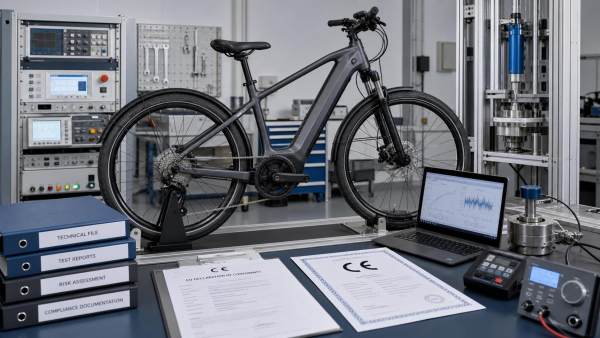
On June 15, 2026, the Official Journal of the European Union confirmed the entry into force of EN 15194:2023+A1:2026, bringing a targeted adjustment to EPAC compliance requirements. The update is especially relevant for companies involved in mid-drive electric bicycle models exported to the EU, because it adds a peak torque output limit for affected products and places greater emphasis on motor cut-off response time testing, directly touching type approval, CE marking compliance, supplier documentation, and import review workflows.
What the standard update formally changes
According to the information provided, EN 15194:2023+A1:2026 was formally confirmed by the OJEU on June 15, 2026. The confirmed revision adds a peak torque output limit of no more than 160 N·m for mid-drive EPAC models and strengthens testing requirements related to motor cut-off response time.
The update directly affects exported products such as Mid-drive E-Mountain Bikes and Urban Commuter Pedelecs intended for the EU market. It also has a direct connection to type certification and CE marking compliance for those products.
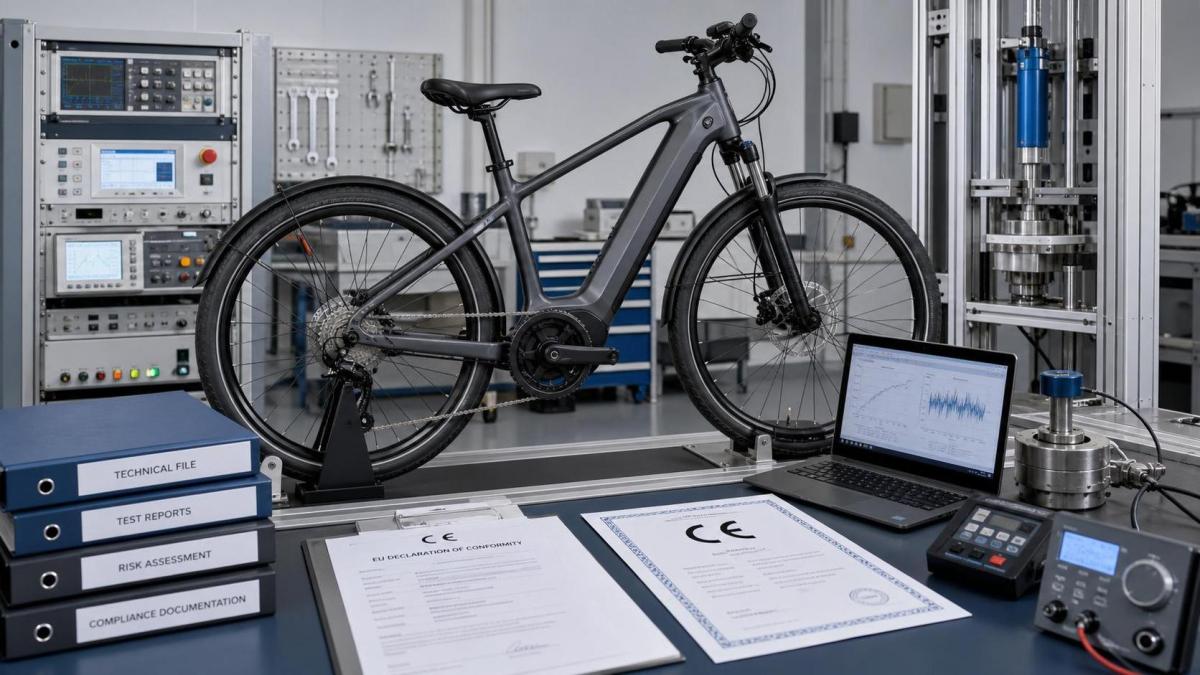
The provided information further indicates that importers need to promptly verify whether supplier technical files and test reports have been updated in line with the revised requirements.
Where the immediate pressure appears in the value chain
Product and manufacturing teams face a narrower compliance window
From an industry perspective, manufacturers of mid-drive EPAC models may be affected first because the confirmed change is tied to product performance limits and test criteria. The main impact is likely to appear in product validation, model review, and conformity preparation for EU-bound shipments.
What deserves closer attention is whether existing model configurations, especially in segments such as Mid-drive E-Mountain Bikes and Urban Commuter Pedelecs, are already supported by updated technical documentation and matching test evidence.
Importers and trading companies must recheck file completeness
Importers are specifically named in the provided information, which makes document control an immediate operational issue rather than a secondary one. The likely impact falls on supplier coordination, file collection, certification review, and shipment readiness for EU market entry.
Analysis shows that the practical issue is not only the existence of a revised standard, but whether the supporting technical file set and test reports have been refreshed to reflect the new torque limit and strengthened response-time testing requirement.
Compliance and certification workflows become more document-sensitive
For service providers and internal compliance teams handling type approval and CE marking processes, the update may affect review timing and submission readiness. The pressure point is likely to be the consistency between product claims, test results, and formal compliance records for affected EPAC categories.
Observably, this raises the importance of identifying which models fall within the mid-drive scope and whether their certification materials remain aligned with the now-effective version of the standard.
What companies should review now
Check whether affected models fall under the revised torque cap
Companies shipping EPAC products to the EU should first identify whether their product portfolio includes mid-drive models covered by the new peak torque limit of 160 N·m or below. This is a product-scope question before it becomes a filing question.
Match technical files with updated testing requirements
The supplied information highlights technical files and test reports as immediate review items. In practice, this means companies should verify whether current compliance materials reflect both the torque limit adjustment and the strengthened motor cut-off response time testing requirement.
Separate legal effectiveness from internal readiness
Analysis shows that a standard taking formal effect and a company being ready for compliance are not the same thing. Businesses should pay attention to whether internal product data, supplier declarations, and supporting reports are synchronized, especially where EU-bound models are already in the sales or delivery pipeline.
Strengthen supplier and importer communication
Because the provided information specifically points to importer action, supplier-importer communication becomes a practical priority. What deserves closer attention is whether both sides are working from the same version of technical documents and whether any missing reports could affect certification or CE marking checks.
Why this looks like an operational signal, not just a wording change
Analysis shows that this development is more than a routine text update because the confirmed change connects a measurable torque threshold with strengthened testing expectations. That combination tends to move compliance work from general monitoring into immediate model-by-model verification.
It is more appropriate to understand this as a near-term compliance adjustment with wider implications for EU export discipline, rather than as a long-range market forecast. The current signal is clear for affected EPAC products, but the broader business impact still depends on how many active product lines and supplier files require updating.
How the industry may best interpret the update
At this stage, the most neutral reading is that EN 15194:2023+A1:2026 creates a concrete compliance checkpoint for mid-drive EPAC products entering the EU market. The confirmed requirements matter most where torque output claims, testing records, and CE-related documentation must align without delay.
From an industry perspective, this is best understood as an actionable regulatory development rather than a speculative trend story. For affected businesses, the immediate priority is verification: product scope, test evidence, and technical file consistency.
Basis of this article and what still requires monitoring
This article is based on the user-provided news title, event date, and event summary concerning the formal entry into force of EN 15194:2023+A1:2026 on June 15, 2026. The analysis also follows the limited confirmed facts provided in that input and does not extend beyond them.
For this type of industry update, common source categories typically include official notices, company statements, industry association releases, authoritative media coverage, and standard-setting documents. No specific official source link was provided in the input, so the exact official link still requires ongoing verification.
Further monitoring should focus on any subsequent official wording, implementation clarifications, and document-level compliance updates affecting technical files, test reports, type certification, and CE marking processes for EU-bound EPAC models.
Related Intelligence
 Gym CAPEX & E-Bike DTC PremiumSep 14, 2026Marketing for Direct-to-Consumer Sports Brands: Channels That Drive Repeat SalesDirect-to-consumer sports brands marketing strategies that drive repeat sales through lifecycle email, loyalty, community, service, and data-led retention.
 Optical Heart Rate MonitorsSep 13, 2026How to Select Athlete Monitoring Systems for Team Training and Injury Risk ManagementAthlete monitoring technology systems: learn how to select reliable tools for team training, workload tracking, injury-risk management, data integration, and athlete privacy.
 Carbon Stand-up PaddleboardsSep 12, 2026How to Choose Stand-Up Paddle Boards for Rental Fleets: Durability, Size, and CostChoose stand up paddle boards for rental with confidence. Compare durable construction, stable sizing, weight capacity, repairability, and lifecycle costs for a reliable fleet.
 Urban Commuter PedelecsSep 11, 2026Removable E-Bike Battery Systems: What to Check Before Choosing a Commuter BikeE-bike battery systems removable: compare range, removal ease, security, charging, weather protection, and replacement support before choosing your ideal commuter bike.
 Direct Drive Smart TrainersSep 10, 2026How to Choose a Smart Trainer in Germany for Zwift, Power Accuracy, and Warranty SupportSmart trainers Germany guide: compare Zwift connectivity, power accuracy, bike fit, noise, and warranty support to choose the right trainer with confidence.
 Magnetic Resistance Spin BikesSep 09, 2026Magnetic Resistance Spin Bikes: What to Compare Before You BuyMagnetic resistance spin bike buying guide: compare ride smoothness, stability, fit, flywheel design, connectivity, noise, and maintenance before choosing.
 Self-generating TreadmillsSep 08, 2026What to Evaluate in Self-Powered Fitness Equipment Consoles for Commercial GymsFitness equipment consoles self powered: evaluate power reliability, connectivity, durability, and maintenance to select commercial gym systems that improve uptime and member experience.
 Holographic Fitness MirrorsSep 07, 2026How Fitness Businesses Should Evaluate Virtual Training Platforms for GrowthVirtual training platforms can drive fitness business growth when they fit equipment, member journeys, data needs, and commercial goals. Explore a smarter evaluation framework.
 Magnetic Resistance Spin BikesSep 07, 2026How to Choose Smart Indoor Bikes With Touchscreens for Home TrainingSmart indoor bikes with touchscreen displays: compare fit, resistance, subscriptions, metrics, and home setup to choose a bike that keeps you training consistently.
 Aero Carbon Road BikesSep 05, 2026How to Choose a Gravel Bike for Mixed Terrain, Bikepacking, and Daily RidingGravel bikes for mixed terrain, bikepacking, and daily riding: compare tires, geometry, gearing, mounts, and brakes to find your ideal all-round bike.
 Aero Carbon Road BikesSep 04, 2026How to Evaluate Carbon Bike Frames Made in Italy Before Paying a PremiumDiscover how to evaluate carbon bike frames Italy before paying a premium. Compare materials, manufacturing quality, geometry, testing, compatibility, warranty, and total ownership value.
 Direct Drive Smart TrainersSep 03, 2026How to Choose a Smart Trainer for Consistent Winter Indoor Cycling WorkoutsSmart trainers for winter training: compare wheel-on, direct-drive, and smart bike options to find a quiet, compatible setup for consistent indoor workouts.
 MIPS Carbon Cycling HelmetsSep 02, 2026How to Choose Protective Sports Equipment in the USA for Club and Facility UseProtective sports equipment USA guide for clubs and facilities—compare fit, certification, cleaning, durability, and total cost to keep athletes protected.