EN 15194:2026 Takes Effect for EPAC Exports to the EU
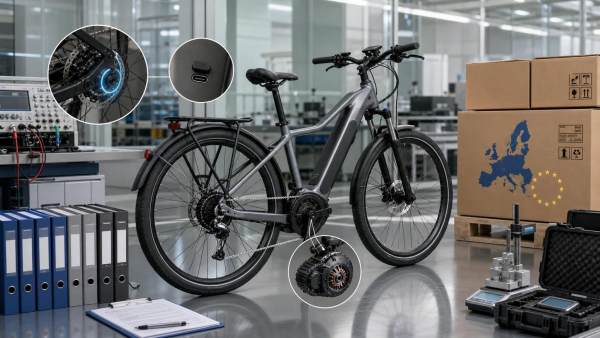
On June 21, 2026, the EU moved EN 15194:2026 into effect through the Official Journal of the European Union, replacing the 2017 edition for EPAC electric bicycles. The update matters directly to manufacturers, exporters, certification teams, and supply chain partners because new CE applications and reassessments of already certified products must now align with the revised requirements, with non-updated products facing customs disruption or removal by market surveillance authorities.
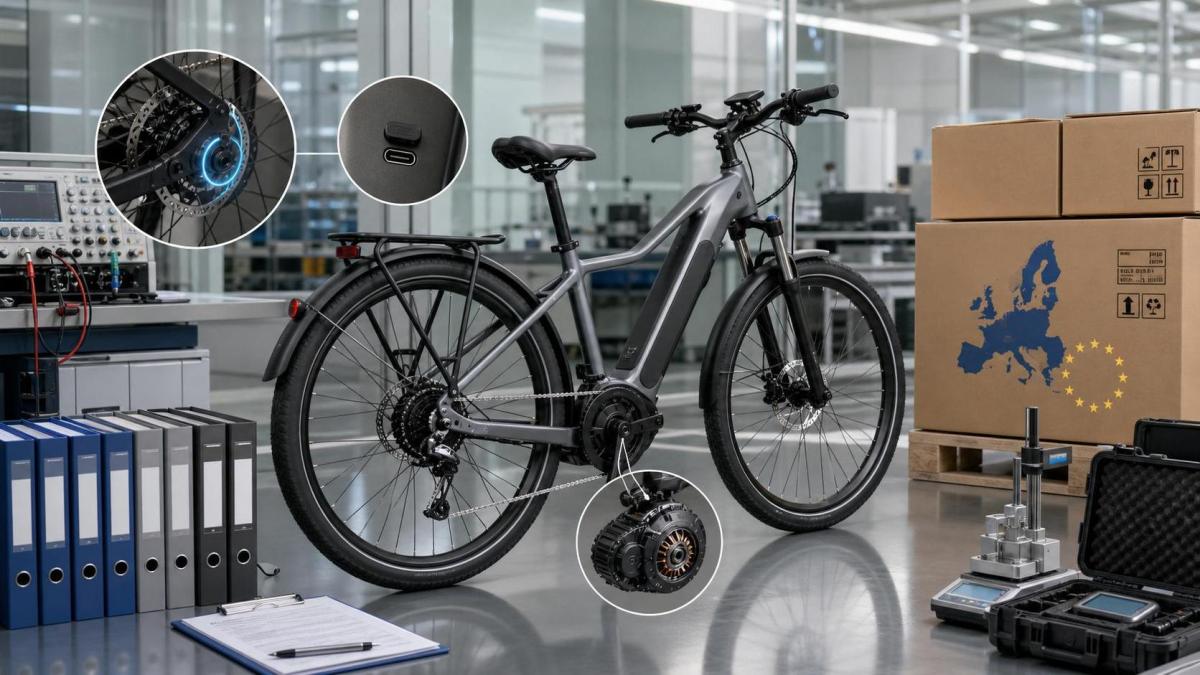
What the revised standard now requires
According to the provided information, the revised EN 15194:2026 for electrically power assisted cycles introduces mandatory provisions covering mid-drive motor torque response delay of no more than 150 ms, compliance requirements for regenerative braking energy recovery, and EMC immunity for USB-C interfaces.
The revised standard was published in the OJEU on June 21, 2026 and took effect the same day. It replaces the 2017 version. The same information also states that all newly applied CE certificates and reassessments of products that already hold certification must meet the 2026 version.
For Chinese EPAC manufacturers and exporters, the stated compliance consequence is clear: if the upgrade is not completed, shipments may encounter customs clearance obstacles or products may be removed from the market by surveillance authorities.
Where the impact is likely to be felt first
Product design and manufacturing teams
From an industry perspective, this change is likely to affect the design and validation stage most directly. Manufacturers of EPAC models equipped with mid-drive systems, regenerative braking functions, or USB-C interfaces will need to pay closer attention to whether current product configurations and technical files can still support conformity under the new edition.
Export and certification operations
For export businesses and compliance teams, the main impact lies in CE application timing, certificate maintenance, and product reassessment. Because the 2017 version is replaced immediately, the transition is not only about future models but also about products that already hold certificates and now face re-evaluation requirements.
Supply chain and delivery coordination
Suppliers and service providers connected to EPAC exports may also feel pressure in document preparation, technical coordination, and shipment scheduling. Analysis shows that any mismatch between product configuration, certification status, and export documentation could become a practical issue once customs clearance or market surveillance review is involved.
What companies should track now
Check which models fall within the immediate review scope
What deserves closer attention is whether current export models involve the specific areas named in the revised standard: mid-drive motor torque response, regenerative braking energy recovery, and USB-C interface EMC immunity. This is the most direct starting point for determining which products may need technical updates or renewed conformity work.
Separate certificate status from shipment readiness
Observably, a product being previously certified does not remove the need for reassessment under the new version. Companies should therefore distinguish between products that were compliant under EN 15194:2017 and products that are currently ready for EU-bound shipment under EN 15194:2026.
Prepare customer and internal communication around timing
For exporters, procurement teams, and account managers, the practical issue is not only technical compliance but also delivery continuity. It is worth focusing on how to communicate certification status, reassessment progress, and potential shipment timing changes to EU customers and internal planning teams.
Watch for further official wording and implementation detail
Analysis shows that the headline requirement is already clear, but companies still need to follow any subsequent official wording, interpretation, or procedural clarification related to reassessment, documentation, and enforcement practice. In operational terms, the rule text and its implementation in actual trade workflows are not always the same thing.
Why this should be read as more than a routine update
This section is an editorial observation. Based on the provided information, the development is better understood as an immediate compliance change rather than a distant policy signal. The standard has already replaced the previous version, and the requirement already applies to new CE filings and certified product reviews.
At the same time, it is also appropriate to understand this as a longer-term technical signal. The newly highlighted items point attention toward control response, energy recovery compliance, and interface-level EMC performance, which means affected businesses may need to treat regulatory conformity and product architecture more closely together in EU export planning.
How to interpret the development at this stage
At this stage, the most neutral reading is that EN 15194:2026 has created an active compliance threshold for EPAC exports to the EU, not merely a standard update to monitor later. For companies already shipping or preparing to ship into the EU, the immediate issue is whether product certification and technical readiness remain aligned under the new version.
From an industry perspective, this is best understood as both a short-term operational change and a continuing regulatory signal. The confirmed fact is the standard replacement and its compliance consequence; the part that still requires ongoing attention is how quickly different businesses can complete reassessment and stabilize delivery arrangements.
Basis of this article and points for follow-up verification
This article is based on the user-provided news title, event date, and event summary. The information concerns the effectiveness of EN 15194:2026, its stated new mandatory requirements, its replacement of the 2017 version, and the stated compliance risks for Chinese EPAC manufacturers and exporters.
For this type of industry update, relevant source categories usually include official notices, standard organization documents, enterprise disclosures, industry association updates, and reporting by authoritative media. A specific official source link was not provided in the input, so the precise official document path still requires continued verification. Follow-up attention should remain on any further official clarification related to reassessment scope, documentation expectations, and enforcement in customs or market surveillance practice.
Related Intelligence
 Urban Commuter PedelecsSep 20, 2026Electric Bike Price Guide: What You Get at Each Budget LevelElectric bike price guide: compare what each budget level delivers, from basic commuters to premium models, and find the best-value e-bike for your route, needs, and long-term riding confidence.
 Optical Heart Rate MonitorsSep 19, 2026Gym HRV Data Privacy: Consent, Access Controls, and Retention RisksWhat HRV data privacy risks should gyms consider? Explore consent, staff access controls, vendor oversight, and retention risks to protect member trust.
 Gym CAPEX & E-Bike DTC PremiumSep 18, 2026How to Evaluate a Commercial Cardio Equipment Manufacturer for Gym Uptime and Lifecycle CostCommercial cardio equipment manufacturer evaluation guide: compare uptime, service support, spare parts, and lifecycle costs to make a smarter gym investment.
 Optical Heart Rate MonitorsSep 18, 2026What HRV Data Privacy Risks Should Gyms Address?What HRV data privacy risks should gyms consider? Explore consent, vendor controls, staff access, secure retention, and actionable steps to protect member biometric data.
 Optical Heart Rate MonitorsSep 18, 2026Is HRV Monitoring Useful for Personalized Gym Training?Is HRV monitoring useful for personalized gym training? Discover how gyms can use HRV trends, wearable data, and coaching insight to improve recovery, training decisions, and member experience.
 Aero Carbon Road BikesSep 17, 2026How to Choose an Italian Carbon Road Bike for Fast Alpine DescentsCarbon road bikes Italy riders trust for Alpine descents: compare stable geometry, disc brakes, tire clearance, wheels, and fit for faster, safer mountain riding.
 Magnetic Resistance Spin BikesSep 16, 2026Belt-Drive Indoor Cycling Bikes: What to Compare Before You BuyIndoor cycling bikes belt drive guide: compare magnetic vs. friction resistance, stability, fit, flywheel response, and maintenance before choosing a quieter, long-lasting bike.
 Urban Commuter PedelecsSep 15, 2026Hub Motor E-Bike Drivetrains: What Riders Need to Know Before Choosing OneE-bike drivetrain systems with a hub motor explained: compare climbing ability, range, maintenance, ride feel, and front vs. rear hubs before you buy.
 Gym CAPEX & E-Bike DTC PremiumSep 14, 2026Marketing for Direct-to-Consumer Sports Brands: Channels That Drive Repeat SalesDirect-to-consumer sports brands marketing strategies that drive repeat sales through lifecycle email, loyalty, community, service, and data-led retention.
 Optical Heart Rate MonitorsSep 13, 2026How to Select Athlete Monitoring Systems for Team Training and Injury Risk ManagementAthlete monitoring technology systems: learn how to select reliable tools for team training, workload tracking, injury-risk management, data integration, and athlete privacy.
 Carbon Stand-up PaddleboardsSep 12, 2026How to Choose Stand-Up Paddle Boards for Rental Fleets: Durability, Size, and CostChoose stand up paddle boards for rental with confidence. Compare durable construction, stable sizing, weight capacity, repairability, and lifecycle costs for a reliable fleet.
 Urban Commuter PedelecsSep 11, 2026Removable E-Bike Battery Systems: What to Check Before Choosing a Commuter BikeE-bike battery systems removable: compare range, removal ease, security, charging, weather protection, and replacement support before choosing your ideal commuter bike.
 Direct Drive Smart TrainersSep 10, 2026How to Choose a Smart Trainer in Germany for Zwift, Power Accuracy, and Warranty SupportSmart trainers Germany guide: compare Zwift connectivity, power accuracy, bike fit, noise, and warranty support to choose the right trainer with confidence.